Why You'll Struggle Living in the DR (Without a Plan)
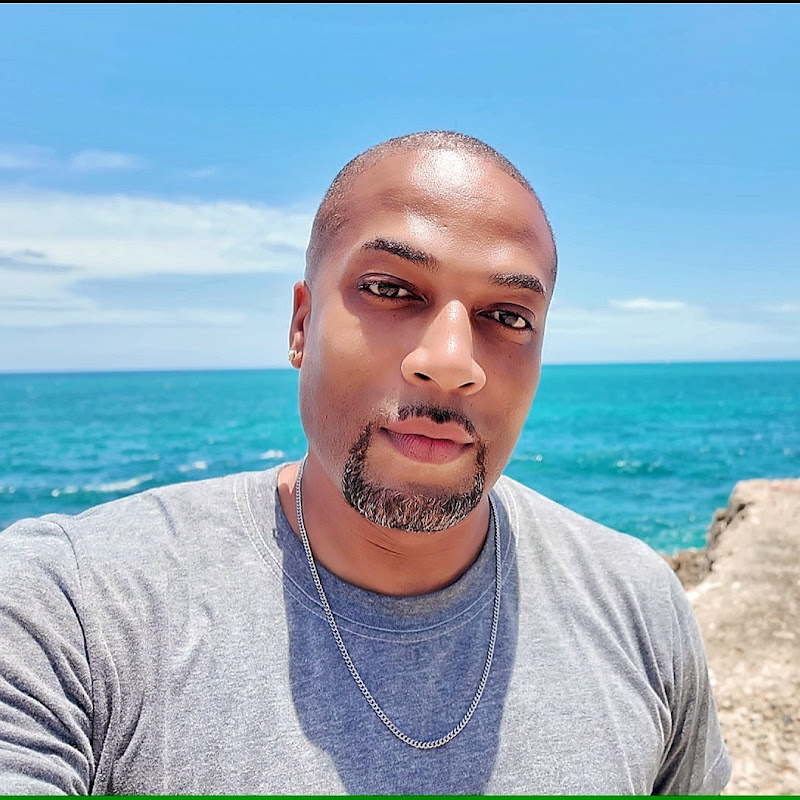

One misconception about moving abroad is that you have to be rich. That's not true. But what is true is you definitely need a plan.
You could have $10,000, $20,000, or even $50,000 saved up. But if you land in another country with no idea of how to manage that money, no income strategy, and no understanding of local culture, that money can disappear faster than you think. Remember the old saying — a fool and his money will soon part.
Here's what money can't protect you from: overpaying in rent because you don't know the local prices, getting stuck without income for 3 to 6 months, health emergencies because you don't have insurance, or people thinking you're one of those rich foreigners and taking advantage of you.
Bottom line: money helps, but it won't build you a life here. A plan will.
1. Income Strategy
This is the most important one. You have to know how you're going to earn money. Is it going to be remote? Reliable? Location independent?
If you decide to get a job in the country, which I don't recommend, you need to figure out if you can work legally without a work visa. Here in the Dominican Republic, you're not supposed to work unless you have a work visa. And the wages here are very low.
When we moved here, we already had income from remote work — social media and freelancing. That was a game changer because we didn't have to depend on our savings. We depended on our income plan.
If you don't have income already lined up, you shouldn't be moving anywhere.
Here's what most expats do:
- Remote jobs — customer service, tech support, virtual assistant work
- Freelancing — graphic design, writing, consulting
- Online businesses — e-commerce, coaching, YouTube
- Pensions or Social Security for the vast majority of retirees
2. Monthly Budget — Know Your Numbers
Do not move here without knowing your numbers. Here's an example of a modest budget for a family of three in Santo Domingo:
- Rent: $800/month for a 2-bedroom unfurnished apartment in a middle-class neighborhood
- Electricity: $150/month
- Cell phones: $90/month (three phones)
- Groceries: $400/month
- Transportation: $150/month
- Healthcare: $200/month for a family of three
- Miscellaneous: $200/month
That's about $2,000 per month total. My family does it for about $2,500, but our rent is $1,300. If you're single and living in a small town, your expenses could be much lower.
Without a clear idea of what your monthly expenses are going to be, your savings is nothing. Come with a financial plan.
3. Housing Plan
Are you going to be here short-term or long-term? Make that decision before you move. We chose to rent first, and I recommend this to everyone. Here's why:
- It lets you get a feel for the neighborhood
- You can test out different areas
- It avoids rushing into buying property when you don't understand the market
- Flexibility matters — if you don't like where you are, you can just move
Popular expat areas: Santo Domingo (big city, modern amenities), Las Terrenas (beach town, French expat community), Santiago (second largest city, slower paced), Punta Cana (very Americanized), and Puerto Plata, Sosua, and Cabarete (popular beach towns).
4. Legal Status and Residency
Many people believe you can come to the DR and stay on a tourist visa forever. Maybe you can, but I don't think that's the move if you plan on being here long term.
Tourist visas give you 30 days. You can extend them, but if you overstay, you pay an exit fee when you leave. If you're serious about long-term living, apply for temporary or permanent residency.
Why residency matters:
- Easier to get bank loans
- Rent without needing a Dominican cosigner
- Put utilities in your name
- Better legal protection
- No overstay exit fees
Keep in mind — residency takes 6 to 12 months, sometimes longer. I've been in my process for over a year. Start early, and hiring a local immigration attorney is well worth it.
5. Culture, Language, and Expectations
This is the biggest and most overlooked piece. Living here is not the same as visiting. Depending on where you live, there can be power outages, things move slower, and you can get frustrated with the bureaucracy.
But the community, family-centered values, music, and lifestyle make up for all of that.
Learn some basic Spanish — "cuanto cuesta" (how much does this cost?), "gracias" (thanks), "de nada" (you're welcome). Basic phrases help you go from surviving to thriving.
A plan helps you adjust socially and emotionally, not just financially.
Jay's Advice for First-Time Movers
- Visit for 30 to 60 days first
- Save at least 3 to 6 months of expenses
- Learn basic Spanish before you move
- Start your residency process early
- Connect with expats and locals right away
Moving abroad is not just a financial decision. It's a lifestyle choice. You don't need to be rich. You don't have to have it all figured out. But you do need a vision, a plan, and the courage to try something different.
Ready to start planning your move?
Join the Free Newsletter